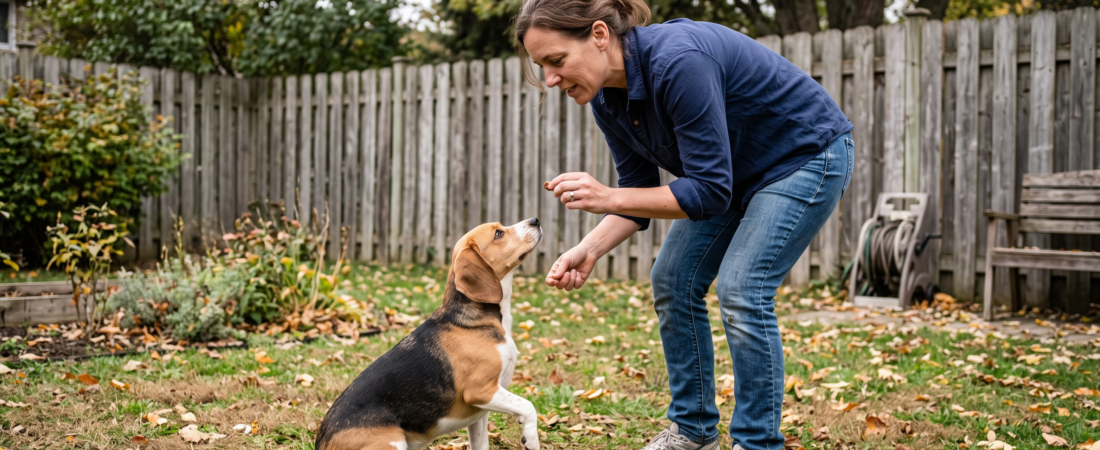
A well-trained dog doesn’t happen by accident. It takes patience, consistency, and a little understanding of how dogs learn.
Bringing a new dog into your home is exciting. But once the initial excitement wears off, reality sets in. Your new companion may chew your shoes, jump on visitors, ignore your commands, or decide that your living room carpet is the perfect bathroom.
The good news? Dogs can learn remarkable things, and you don’t need to be a professional trainer to get started.
Here are five effective tips to help you build a strong foundation.
1. Start With the Basics, Not the Tricks
Most people start with the fun tricks to show off to family, friends, and neighbors. However, tricks matter less than proper socialization and learning everyday behaviors, such as sit, stay, and come.
For example, teaching your dog to come when called might keep them from running into traffic someday.
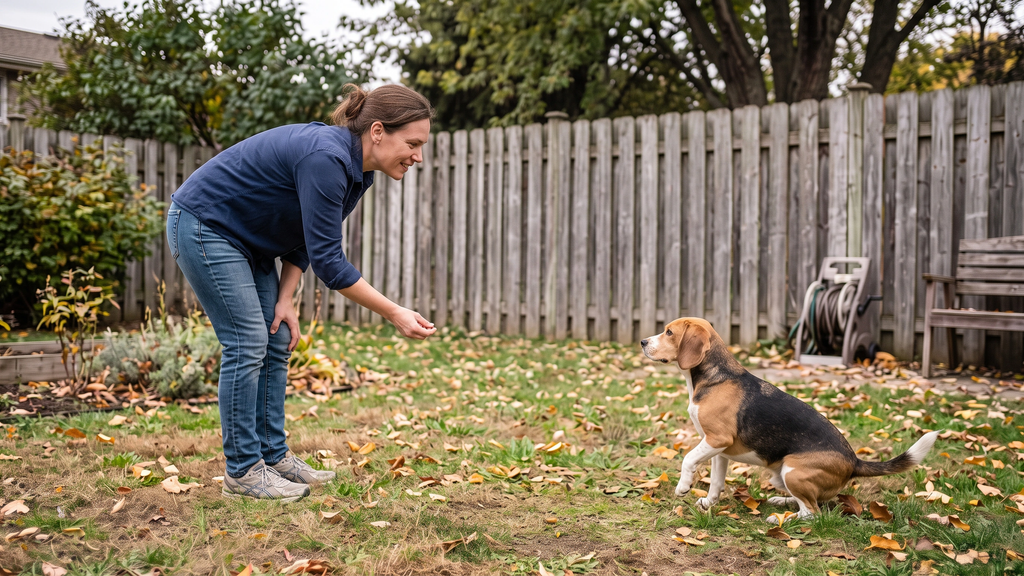
Try this: Hold a small treat just above your dog’s nose and slowly move it backward. As their head follows the treat, their bottom will often lower naturally. The moment they sit, say “Yes!” and reward them.
Keep sessions short, around five minutes, especially with puppies.
2. Reward the Behavior You Want to See Again
Dogs learn through associations. When something good happens immediately after a behavior, they’re more likely to repeat it.
That’s why positive reinforcement is one of the most effective tools in dog training.
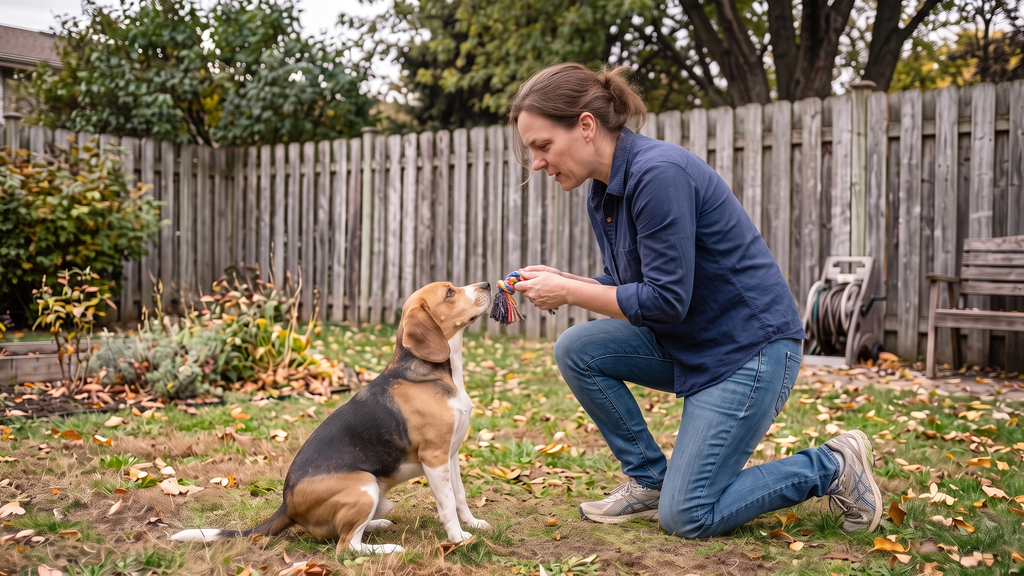
Use small treats, praise, toys, or playtime to reward desirable behavior. Figure out what motivates your dog. Some dogs will do almost anything for a piece of chicken. Others would rather chase a favorite ball.
Try this: When your dog walks next to you without pulling on the leash, reward them immediately. Don’t wait until they’ve started pulling to get their attention.
Avoid yelling or physical punishment. These can create fear and interfere with learning.
3. Consistency Matters More Than Marathon Training Sessions
Imagine trying to learn a new language when your teacher changes the meaning of words every day.
That’s what happens when one family member says “Down,” another says “Off,” and someone else says “Get down!” for the same behavior.
Pick clear commands and make sure everyone in the household uses them consistently.
Try this: Schedule two or three five-minute training sessions throughout the day. Practice in a quiet room before introducing distractions like visitors, other dogs, or the nearby squirrels.
Five focused minutes can accomplish more than a frustrating half-hour session.
4. Socialization Is About Confidence, Not Merely Meeting Other Dogs
One of the biggest mistakes new dog parents make is assuming socialization means letting their dog meet every person and animal they encounter.
It doesn’t.
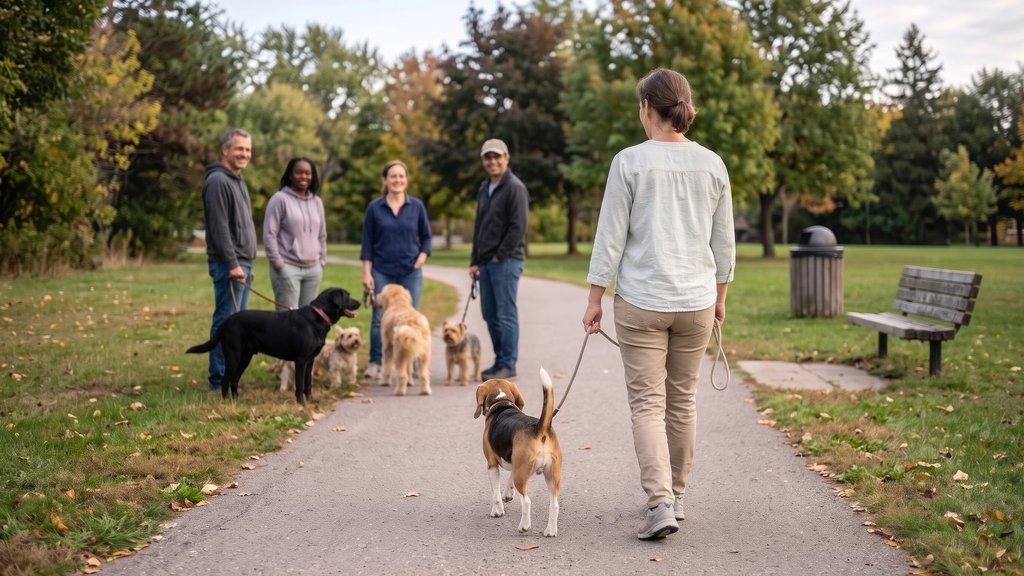
Good socialization means helping your dog feel safe and comfortable around different sounds, environments, surfaces, people, and common experiences.
Try this: Gradually present your dog to new experiences and reward peaceful behavior. A short visit to a quiet park, where your dog can observe people from a comfortable distance, can be more valuable than overloading them at a crowded dog park.
Never force a frightened dog into an uncomfortable situation. Build confidence gradually, and make sure outings suit your puppy’s age and vaccination status.
5. Teach Your Dog What to Do, Not Just What to Stop Doing
It’s easy to spend the entire day telling a puppy what not to do.
“Don’t jump!”
“Stop barking!”
“Leave those shoes alone!”
But dogs learn faster when we show them the behavior we actually want.
If your dog jumps on visitors, teach them to sit when greeting people. If they chew furniture, provide appropriate chew toys and reward them for choosing those instead.
Try this: Whenever your dog does something desirable without being asked, reward it—quietly lying on their bed? That’s worth recognizing.
The more you reinforce good decisions, the more often your dog will make them.
The Reality Check: Training Your Own Dog Takes Commitment
These five tips can work. In fact, many dog parents successfully teach their pets basic obedience skills without hiring a professional.
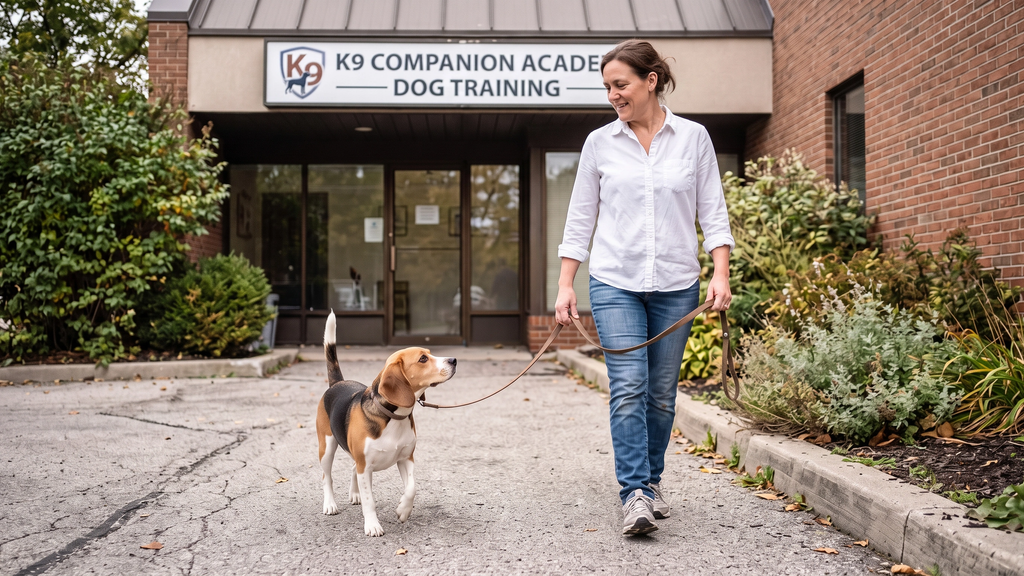
But you need to understand something important before deciding to do everything yourself.
Training a dog is not the same as knowing how to train a dog.
Professional trainers have experience recognizing canine body language, identifying what motivates individual dogs, correcting training mistakes, and knowing when to move on to more challenging exercises.
First-time owners must learn those skills while also teaching their dog.
As a result, training your dog entirely on your own often takes longer than working with a trained specialist. That’s especially true when behavioral challenges occur.
There’s also the question of commitment.
Most new dog parents begin with enthusiasm. But schedules get busy, progress can be slow, and repeating the same exercises day after day becomes less exciting. Some owners become inconsistent, while others abandon structured training altogether.
Dogs don’t stop learning just because their owners stop teaching.
A professional trainer isn’t a shortcut around your responsibility. A good trainer teaches you how to work with your dog, helps prevent costly mistakes, and provides the structure and accountability that beginners often need.
For many families, a basic obedience class or a few private lessons can be a worthwhile investment.
One Final Thought
Training isn’t about creating a perfectly obedient dog. It’s about building communication, trust, safety, and a relationship that makes life better for both of you.
Start small. Recognize progress. Be patient.
And remember, the best training program isn’t necessarily the most expensive or elaborate. It’s the one you and your dog will actually follow.
If you’re struggling, don’t hesitate to seek help from a qualified, reward-based professional trainer. The earlier you address problems, the easier they often are to resolve.
Did You Know?
Behavioral challenges are among the reasons dogs are surrendered to animal shelters. Problems such as excessive barking, destructive chewing, jumping, and difficulty following commands can leave owners feeling frustrated and overwhelmed.
But patience, consistent training, and positive reinforcement can improve many of these behaviors.
Training does more than teach a dog good manners. It strengthens the bond between dogs and their owners, builds confidence, and can help prevent behavioral problems that might otherwise lead to surrender.
A little training today could mean a lifetime together tomorrow.
K9nMe.org helps people understand the costs and management of dog ownership. Dog surrenders are growing and straining shelter resources. Learn more about how K9nMe.org is helping.